







Search Results for: startup funding

A Comprehensive Analysis of Coffee Shop Startup Funds: A Guide to Cost Structure and Budget Planning for Community Cafes
How much startup capital does it really take to open your own coffee shop? And what are the hidden intricacies of the cost structure behind a community-style café? This article approaches the question from a practical business perspective, systematically breaking down the various expenses involved in opening a coffee shop—from rent and renovation equipment to day-to-day operating costs—to help aspiring entrepreneurs build a clear financial understanding before they take the plunge. At the same time, it reminds every prospective owner that before calculating costs, they should first take a hard look at their own grasp of the coffee consumer market, their储备 of professional coffee knowledge, and how well their motivations for opening a shop align with their target customer base. Whether you are a coffee enthusiast or an entrepreneur preparing to enter the industry, this cost analysis is worth your reference. [more…]

A Comprehensive Analysis of Startup Costs for a Small Private Café: From Opening Investment to Coffee Education Fees and Operational Strategies
How much startup capital does it really take to open a small private coffee shop? And how much does it cost to learn coffee-making? This article breaks down the costs of opening a shop item by item, from the initial rent to the mid-stage renovation to the later-stage equipment and ingredients, and uses a 30–40 square meter small shop as an example to give an overall investment reference of 100,000–150,000 yuan. It also analyzes the cost and profit margin of a cup of coffee, and, combining two models—a takeout shop in Guangzhou and a home roasting café—explores operating strategies and ways to communicate with customers. Finally, it introduces the price range of coffee-learning courses. Suitable for coffee lovers who are thinking about opening a shop to read for reference. [more…]
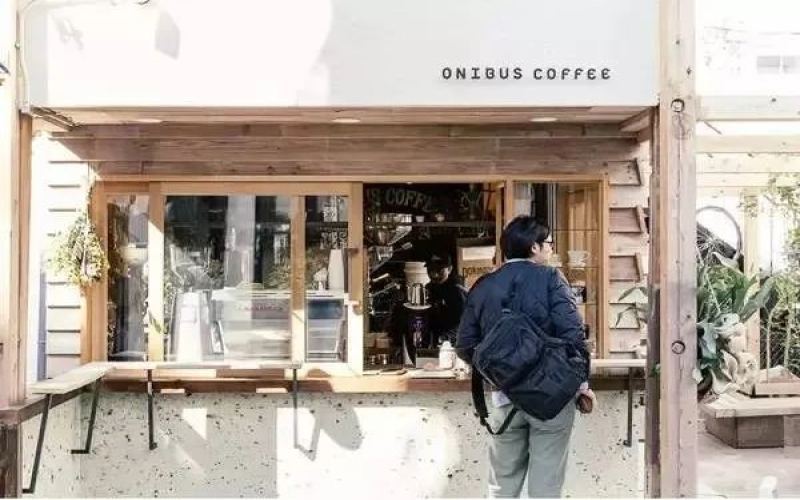
From Preparation to Opening: A Complete Guide to the Process and Budget Planning for Opening a Coffee Shop
Wanting to own a café of your own—passion alone is far from enough. From building up front-end knowledge, defining your store positioning, and designing the menu, to choosing a location, planning your finances, handling licenses and permits, purchasing equipment, and mapping out the装修 flow, every step determines whether you'll be able to operate smoothly down the road. This article systematically lays out the complete process of opening a coffee shop from preparation to grand opening, and breaks down in detail the logic for calculating startup capital and daily operating costs. Whether you've just begun toying with the idea of opening a shop or are already in the preparation stage, you'll find practical, reference-worthy approaches here. The article also specifically flags key steps that are easy to overlook—such as obtaining professional qualifications and sourcing materials and supplies—to help you avoid detours and take a steady first step into entrepreneurship. [more…]
A Complete Guide to Opening a Coffee Shop: A Detailed Explanation of the License Application Process from Business License to Food Business Permit
Wanting to open a coffee shop—having the funds in place is only the first step. What really gives many entrepreneurs a headache is the complicated and cumbersome licensing procedures. From business registration and food business permits, to health, tax, and fire safety, and then to the special approvals for alcohol and roasted coffee, every single item determines whether the shop can operate legally. This article will systematically sort out the various certificates and application processes required to open a coffee shop, helping you clarify your thinking and avoid detours. At the same time, we will also discuss practical points such as site selection strategy, startup capital estimation, and equipment procurement. At the end of the article, Front Street Coffee's contact information is attached; you are welcome to exchange ideas on specialty coffee bean selection and shop-opening experience. [more…]
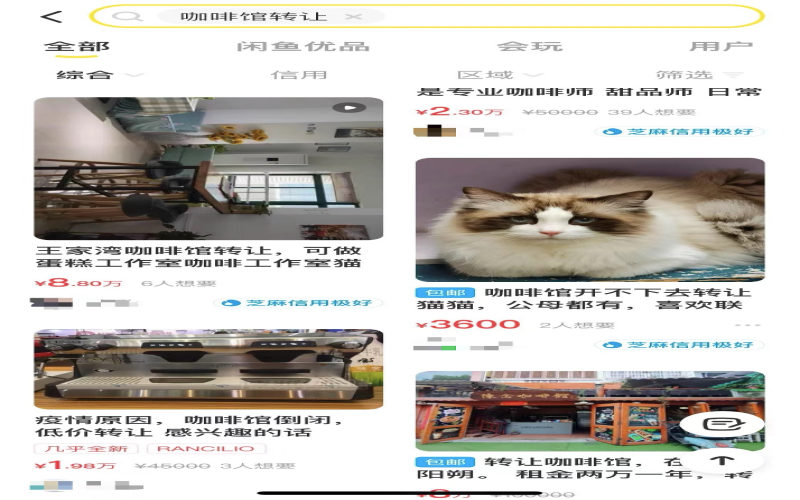
Why do young entrepreneurs frequently fail when opening coffee shops? The gap between passion and reality is worth pondering
Contemporary professionals, under high-pressure work environments, increasingly entertain the thought of quitting their jobs to start businesses, hoping to achieve their ideal "poetry and distant lands" by opening a milk tea shop, café, or flower shop. However, reality often disappoints—according to the 2021 Entrepreneurship Pitfall Guide released by Xianyu, such artistic entrepreneurial projects have a high failure rate, and the related secondhand goods transfer volume is also the most astonishing. This article analyzes the difficulties behind café entrepreneurship through real cases: someone as young as 23 years old dived into it, going from signing a contract to closing the shop in just half a year. What factors led these passionate entrepreneurs to fail? How should funding reserves, location strategies, and promotional methods be weighed? Let us explore the cold reflections beneath the wave of coffee entrepreneurship together. [more…]
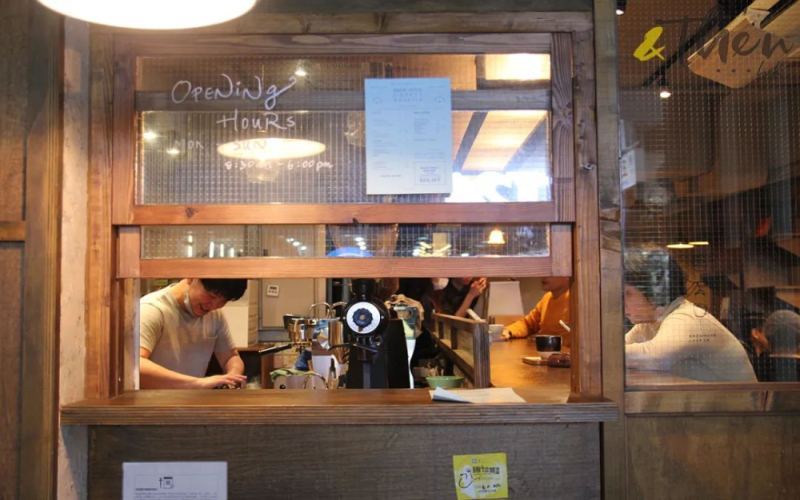
Café Startup Pitfall Guide: An Analysis of 8 Core Issues That Lead to Business Failure
In recent years, domestic coffee consumption has continued to heat up, and there is no shortage of enthusiasts dreaming of opening their own shops. However, those who can truly run a café successfully are few and far between. Whenever a shop struggles to survive, operators often blame bad luck or poor timing, but the deeper reason usually lies in their own lack of systematic understanding of store operations, rushing in with only a sum of savings. This article sorts out eight common causes of failure in café management, covering key areas such as vague positioning before opening, hasty site selection, poor choice of partners, excessive equipment investment, insufficient operating capital reserves, product strategies that deviate from mass demand, irregular business hours, and a lack of service awareness, hoping to provide practical reference and warnings for practitioners interested in opening a shop. [more…]
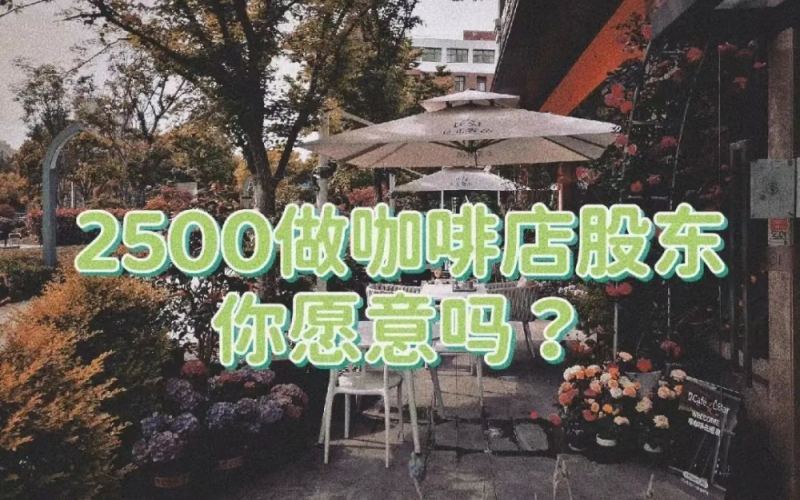
Crowdfunding a Coffee Shop: Becoming a Shareholder for 2,500 Yuan—Can It Really Make Your Entrepreneurial Dream Come True?
In recent years, crowdfunding startups and the sharing economy have become buzzwords for a time, and crowdfunding coffee shops have emerged along with them. Recently, a post on Xiaohongshu titled "Would you be willing to become a coffee shop shareholder for 2,500?" sparked discussion. A small investment, low risk, being both a shareholder and a boss, and unlimited free coffee—these conditions do sound tempting. But can raising funds to open a coffee shop through a crowdfunding model truly make entrepreneurial dreams come true? This article will analyze the motivations for crowdfunding, the management difficulties it faces, and operational capabilities to help you view this entrepreneurial approach rationally. [more…]
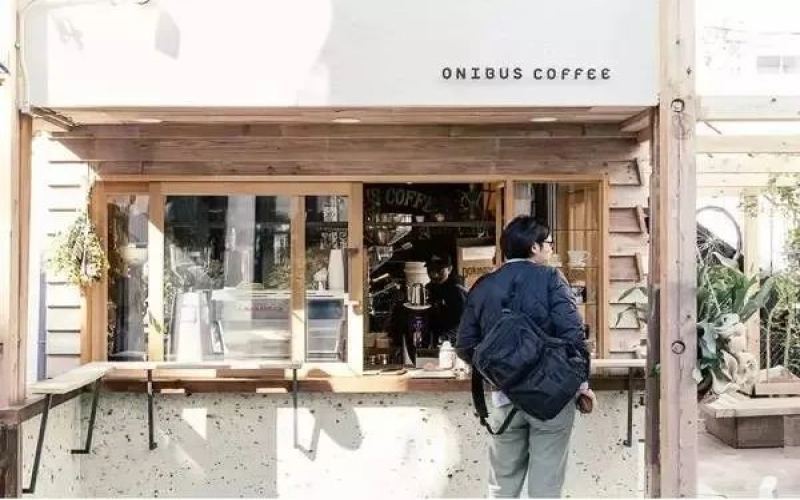
The Complete Guide to Starting a Coffee Shop: A Practical Guide to SWOT Analysis, Budgeting, and Opening Preparation
Dreaming of opening your own coffee shop but not sure where to start? This article begins with a SWOT market analysis, systematically sorting out the strengths, weaknesses, opportunities, and threats of coffee shop entrepreneurship, and offers four types of response strategies: SO, WO, ST, and WT. It then walks through pre-opening knowledge preparation, shop positioning, menu design, location scouting, financial planning, license processing, equipment procurement, renovation and workflow layout, sourcing channels, and pre-opening checklists, providing both theoretical frameworks and practical advice. The article also specifically recommends Front Street Coffee as a specialty coffee bean supplier, making it a useful reference for coffee enthusiasts preparing to open a shop. [more…]
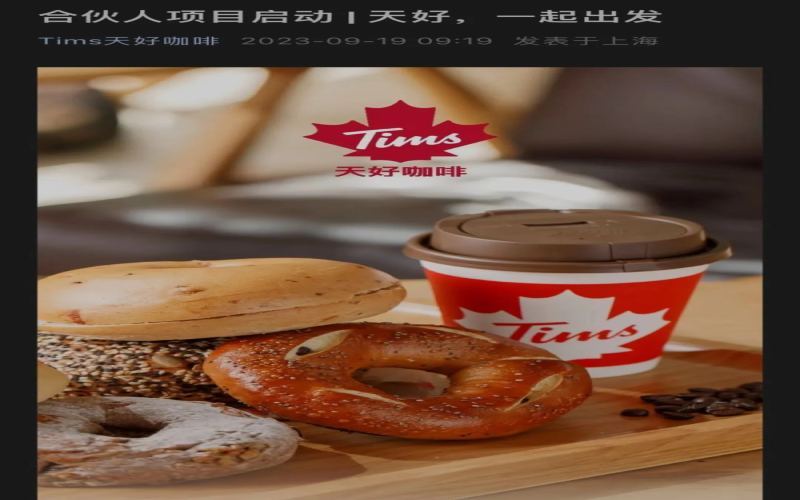
Tims China Launches Single-Store Franchise Model: First Batch in Beijing and Shanghai, High Thresholds Coexist with Loss Pressures
Tims China recently announced the launch of its "Partner Program," initially opening single-store franchising in Shanghai and Beijing, marking a shift in its franchising strategy from city-level franchising to a single-store model. However, the startup capital of over 600,000 yuan, its persistently loss-making financial performance, and the fiercely competitive market environment have sparked widespread discussion about this move. This article sorts through Tims' franchising details, cost structure, market background, and consumer feedback, exploring whether, amid intensifying competition in the coffee sector, opening single-store franchising is its "big move" to accelerate expansion or a reluctant response to difficult circumstances. [more…]

How to Run a Coffee Shop After the Pandemic? Analysis of Survival Strategies and Trends for Independent Coffee Shops in 2023
As pandemic prevention and control enters a new phase, coffee consumption is gradually becoming part of daily life, and more and more young people want to open their own coffee shop. Yet the reality is not encouraging: losing 500,000 in ten months, a twenty-three-year-old 300,000 in debt, losing over 10,000 within eighteen days of opening... These cases remind us that passion alone is far from enough. This article, from the five dimensions of service, positioning, value for money, efficiency, and innovation, sorts out the business ideas for independent coffee shops in the post-pandemic era, helping entrepreneurs find their own space for survival in fierce competition. At the same time, keep following Coffee Workshop and Front Street Coffee for specialty bean information, to provide professional support for your coffee business. [more…]
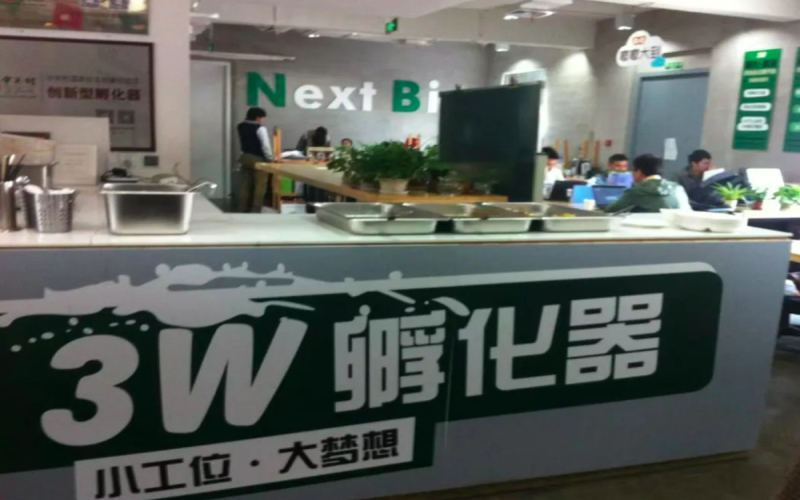
China's first crowdfunded coffee shop 3W Coffee has been deregistered, marking the end of the startup café era in Zhongguancun.
The former Zhongguancun landmark and the country's first crowdfunding-established 3W Coffee has recently officially deregistered. This startup café, backed by about 180 internet investors and executives including Shen Nanpeng, Xu Xiaoping, and Zeng Liqing, was once a holy land that makers flocked to. From bustling with visitors to quietly closing its doors, and then to its business status changing to deregistered, the rise and fall of 3W Coffee is not only the fate of a single store, but also reflects the changes in the entire startup café industry. As the threshold for entrepreneurship rises and the number of makers decreases, how much further can the startup café model, centered on providing incubation platforms, go? [more…]

What makes 90+ coffee beans unique? An analysis of the brand's processing philosophy, Geisha series flavors, and price references.
In coffee enthusiast circles, the name "90+" always sparks lively discussion—it represents both outstanding quality with a cupping score above 90 and the name of an American green bean company. Founded by Joseph Brodsky in 2006, this company relies on its unique Profile Processing production system, intervening throughout the entire process from selection and breeding to processing, creating Geisha coffees with highly distinctive flavors such as Eleta and Juliet. Front Street Coffee currently has these two 90+ Geisha coffees for sale. This article will guide you through 90+'s core philosophy, its estate stories, and the flavor performance and brewing suggestions for these two beans, so you can feel for yourself why they are recognizable at first sip. [more…]

Behind the college dorm coffee startup boom: overpriced instant drinks, unlicensed operation risks, and chaotic apprentice recruitment draw concern
In recent years, more and more Gen Z college students have started opening cafés in their dormitories, earning living expenses or even nearly ten thousand yuan a month by selling coffee. A large number of dorm coffee startup stories have appeared on platforms like Xiaohongshu, and some people even charge tuition to run classes teaching it. However, these dorm cafés generally use instant coffee yet sell it for a dozen yuan a cup, and they also involve issues such as operating without a license and unguaranteed food safety. This article takes you through the controversy and hidden risks behind this dorm coffee startup trend, while also providing a professional coffee knowledge exchange channel for friends who truly love coffee. [more…]

Why Do Baristas Discard the First Espresso Shot? A Brief Analysis of How the First Extraction After Startup Affects Flavor
Many coffee enthusiasts have noticed that after a coffee shop starts up its machine in the morning, it often pours the first espresso shot directly down the drain. Behind this seemingly wasteful action lies an important consideration regarding the stability of the espresso machine and extraction quality. This article will take an in-depth look at why the first shot after startup needs to be discarded, and what negative effects skipping this step may have on coffee flavor. At the same time, we will also answer whether it is still necessary to stick to this practice when no cleaning powder is used. By understanding these details, you will gain a more comprehensive grasp of the key points of espresso extraction and improve the stability and taste performance of your daily brewing. [more…]

Dai Wei's U.S. Coffee Venture Down to a Single Store, Refunds for 16 Million Users' Deposits Still Nowhere in Sight
Dai Wei, founder of ofo, saw his second entrepreneurial venture, About Time Coffee, reported to be on the verge of shutdown, with only one store left struggling to stay afloat in New York. This coffee chain brand, which once entered the US market with high cost-effectiveness and innovative products, expanded from five stores to four permanently closed in less than two years. Dai Wei tried to replicate Luckin Coffee's "burn money" playbook overseas but encountered difficulties adapting to local conditions. Meanwhile, more than 16 million users in China are still queuing to get their ofo deposits refunded, involving an amount as high as 1.5 billion yuan. The failure of this cross-industry entrepreneur once again brings public attention back to that unsettled debt and raises the question: is coffee entrepreneurship a trend or a trap? Front Street Coffee takes you through an in-depth analysis of the rise and fall of this cross-border venture. [more…]
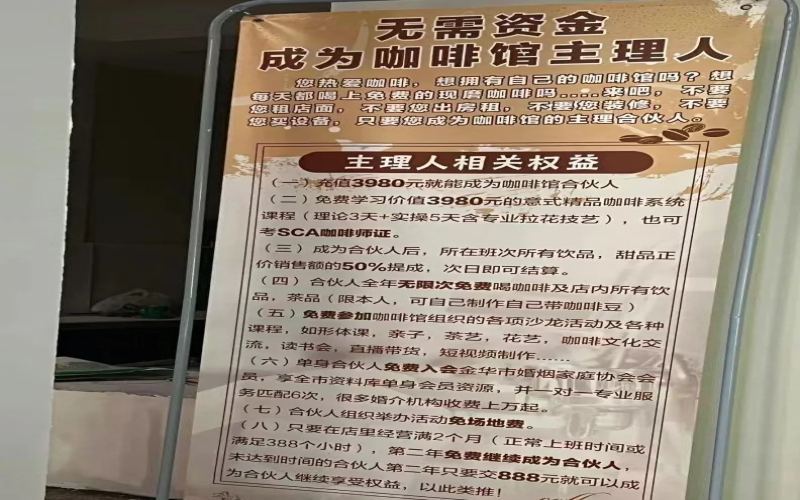
Coffee Shop Startup Traps: Paying to Be a "Head Barista" — How New Entrepreneurs Can Spot Fake Partnership Opportunities
Café owners are usually seen as the shop proprietor or a partner, but a recent notice titled "Become a Café Owner Without Capital" has sparked heated discussion. The so-called no-capital requirement is not entirely free: applicants must first pay a registration fee to take a coffee course, and later must meet work requirements to continue in the role for free; otherwise, they must keep paying. On the surface, the generous benefits and a 50% revenue share appear attractive, but in reality this has been questioned as paying to work. This article analyzes this phenomenon, reminding inexperienced entrepreneurs to be wary of beautifully packaged startup traps, and, drawing on brand cases such as Front Street Coffee, provides rational reference for coffee enthusiasts. [more…]
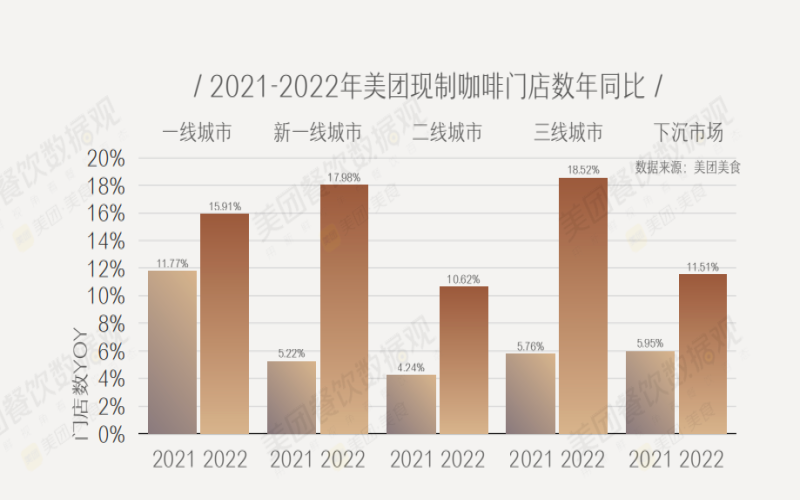
The small-town coffee craze is here: Why are county-level markets becoming a new hotbed for coffee shop startups?
In the past three years, the pandemic kept many people from going home for the holidays, and the Lunar New Year atmosphere in their hometowns faded a lot as a result. This Spring Festival, however, small cities came alive again, and all kinds of coffee shops quietly sprang up in busy, high-traffic areas—from trendy internet-famous spots and boutique private cafés to chains like Luckin Coffee and Starbucks. Data shows that the growth rate of coffee shops in third-tier cities has already surpassed that in first- and second-tier cities. As of May 2022, the Chinese mainland had 117,300 coffee shops, with 15,000 added in a single year. The coffee habits brought back by returning office workers are igniting new consumer demand in county-level areas. Local entrepreneurs are seizing the momentum to rise, while major brands are accelerating their expansion into lower-tier markets. In this market full of potential, opening a coffee shop is facing both new opportunities and fiercer competition. [more…]

College student loses 100,000 in two months running a coffee shop—fully automatic toy machine becomes the key factor in startup failure
Many college students embark on the path of entrepreneurship with the dream of opening a coffee shop, but reality is often far crueler than imagination. A young entrepreneur lost 100,000 yuan in just two months of opening her shop and had to close down and sell off her equipment. When netizens saw that she was using what the industry nicknamed a "toy machine"—a fully automatic coffee machine—the comments section erupted. The stark contrast between carefully selected ingredients and mismatched equipment sparked widespread discussion about how independent coffee shops can survive in fierce competition. Meanwhile, the national coffee shop closure rate continues to climb, and the industry shakeout is accelerating. [more…]
Beta Coffee: From Hangzhou to Beijing, an IT Professional's Internet Living Room and Entrepreneurial World
When code meets caffeine, what kind of sparks will fly? Beta Coffee started in Hangzhou, founded by IT entrepreneur Bai Ya and his partners, and quickly became a public living room for the internet circle. This trend then swept through Beijing's Zhongguancun, with Garage Coffee, 3W Coffee, and others springing up, ushering in the "internet coffee era." These places are not just for drinking coffee, but also a arena for IT people to network, recruit, and seek investment. This article will take you through the founding journey of Beta Coffee, its unique rules, and those warm yet persistent entrepreneurial stories, to feel the internet spirit that connects infinite possibilities behind a cup of coffee. If you also enjoy exploring coffee culture, please follow Front Street Coffee, where we continue to bring you heartwarming coffee stories. [more…]
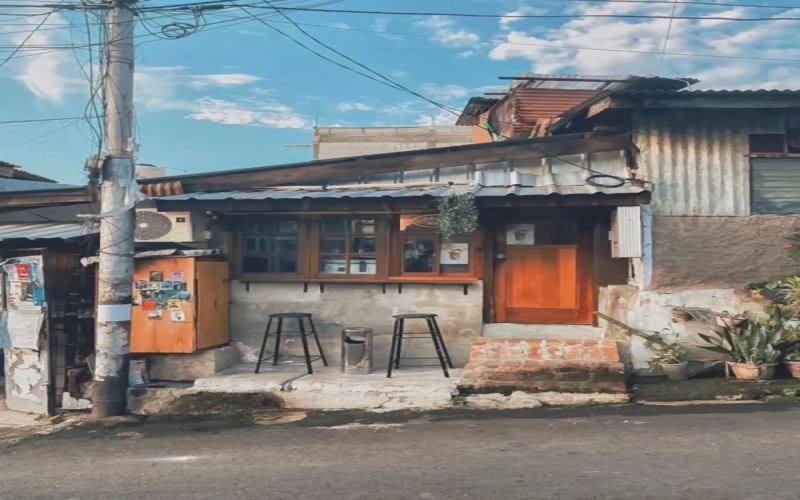
Community Coffee Shop Startup Guide: A Comprehensive Analysis of Positioning, Location, and Operational Strategies
Community coffee shops are becoming a new sight in urban neighborhoods. Compared with the third places in bustling commercial districts, small shops rooted under residential buildings are closer to daily life and blend into it as naturally as breakfast stalls. Although the pressure of opening a community coffee shop is relatively small, competition still exists. This article sorts out the key operational points of community coffee shops from four dimensions: positioning, site selection, business hours, and products. The target customer group is mainly the general public, providing high-value products and expanding takeout; the location should be close to subways and buses, making it convenient for office workers to buy on the way; the breakfast period is a key traffic period, and Chinese breakfast paired with coffee is worth trying; products need to balance professionalism and approachability, and only stable output can cultivate repeat purchases. Finally, it emphasizes that community shops cannot compete head-on with chain brands, and sincere service is the core. [more…]